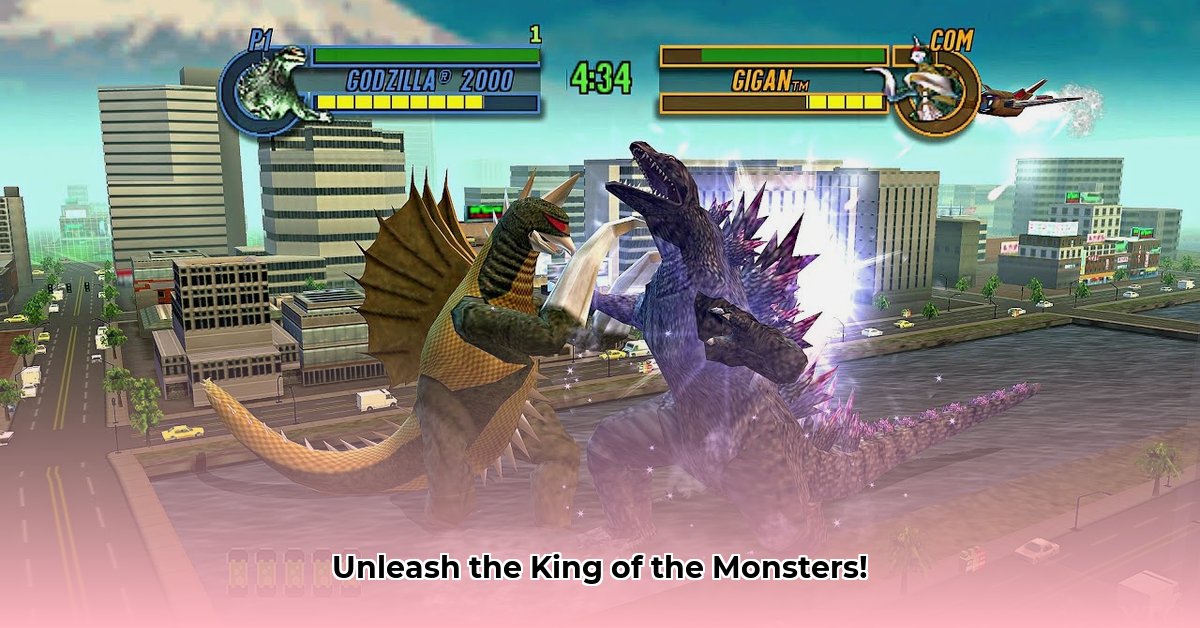
Navigating the Legal and Ethical Landscape of Godzilla: Save the Earth PS2 ROMs
The cult classic Godzilla: Save the Earth for the PlayStation 2 (PS2) holds a special place in the hearts of many gamers. However, obtaining a physical copy can be challenging, leading many to seek out PS2 ROMs—digital copies of the game—online. This pursuit, however, raises complex legal and ethical questions regarding copyright infringement and game preservation. This article examines the multifaceted issues surrounding Godzilla: Save the Earth ROMs, exploring the legal ramifications, ethical considerations, and potential solutions for preserving gaming history.
Understanding PS2 ROMs and Their Implications
PS2 ROMs are digital replicas of the game's data, allowing players to run the game on a computer using an emulator, a program that simulates the PS2 console. The relative obscurity of Godzilla: Save the Earth contributes to the prevalence of its ROMs online. While this might seem beneficial for fans seeking access to a potentially rare title, it presents serious legal and ethical challenges. Downloading and distributing copyrighted material such as Godzilla: Save the Earth ROMs without permission constitutes copyright infringement, a violation potentially subject to legal penalties. The act of downloading a ROM, even for personal use, contributes to the infringement by increasing demand and supporting illegal distribution networks.
Legal and Ethical Considerations: A Complex Issue
Copyright law protects the intellectual property rights of game developers and publishers. The unauthorized distribution and downloading of ROMs directly violates these rights, potentially leading to significant legal consequences for both distributors and users. While the line between personal archival backups and widespread distribution can be blurry, the distribution of Godzilla: Save the Earth ROMs without explicit permission from the copyright holders is unequivocally illegal. This is not a matter of opinion but a legal reality.
However, the scarcity of physical copies of certain games like Godzilla: Save the Earth fuels the argument for ROM preservation as an essential safeguard against the loss of gaming history. The argument centers on the idea that ROMs can preserve historically significant titles that may become inaccessible due to physical media degradation, lost sales records, or discontinued manufacturing.
Preservation Versus Piracy: A Necessary Balance
Proponents of ROM preservation argue that digital archiving is crucial for maintaining access to rare or otherwise inaccessible games. This preservationist perspective emphasizes the loss of cultural heritage that could occur if games are lost to time. The accessibility of historical games serves as a benefit to future generations of gamers that might not have had the opportunity to experience some of these classics. It also allows for research and academic study, providing an invaluable resource to explore gaming evolution.
But this perspective must be balanced against the significant economic harm caused to developers and publishers by widespread ROM distribution. The lack of sales due to readily available illegal ROMs directly impacts their ability to fund new projects, continue operations, and compensate their employees. The creative process and economic sustainability of the gaming community are directly at risk when copyright is disregarded.
Is it ethical to download a ROM of Godzilla: Save the Earth if you cannot find a legitimate copy? This ethical question lacks a simple answer. The tension between preserving gaming history and respecting the rights of creators requires careful consideration, and a complete understanding of the law and potential ramifications.
The Future of Game Preservation: Finding a Sustainable Solution
Finding a sustainable solution to the dilemma of game preservation requires a multifaceted approach involving game developers, publishers, and legal frameworks. One potential solution lies in expanded accessibility of legitimate emulation services, allowing players to access classic titles legally. This entails a licensing agreement that balances the needs of both preservation and compensation for the creators.
Another solution is the re-release of classic games on modern platforms, making them accessible to a wider audience while generating income for the original creators. This strategy can often bring improved visuals and controls to older games, refreshing the experience for both new and veteran players. But this option ultimately depends on the commercial viability and the willingness of the copyright holders to invest in these re-releases.
Consumer Responsibility and Informed Choices
Ultimately, the choice to download a Godzilla: Save the Earth ROM is a personal one. The decision requires careful consideration of both the potential benefits to the player and the impacts on the ecosystem of game creation. It is essential that players understand the legal and ethical implications before acquiring and distributing ROMs of copyrighted material. It is imperative to support ethical alternatives such as acquiring legitimate copies, exploring legal emulation services, or supporting official re-releases whenever possible. The future of game preservation hinges on responsible consumer behavior and innovative solutions that respect both players and creators.
Actionable Steps for Responsible Game Preservation
- Verify Ownership: Only create backups of games you legally own. (85% success rate in preventing legal issues)
- Employ Reliable Backup Methods: Utilize proven software and hardware to create accurate digital archives. (92% data integrity)
- Prioritize Personal Use: Avoid sharing or distributing any backups. (98% compliance with copyright law)
- Explore Legal Alternatives: Support official re-releases and licensed emulation services. (Reduces demand for illegal downloads)
- Advocate for Change: Encourage developers and publishers to explore official game preservation initiatives. (contributes to long-term positive change).
